



kVA vs kW: what the numbers on a generator mean
A clear explanation of kVA, kW and power factor in generators, with a current conversion table and the difference between standby, prime and continuous ratings.
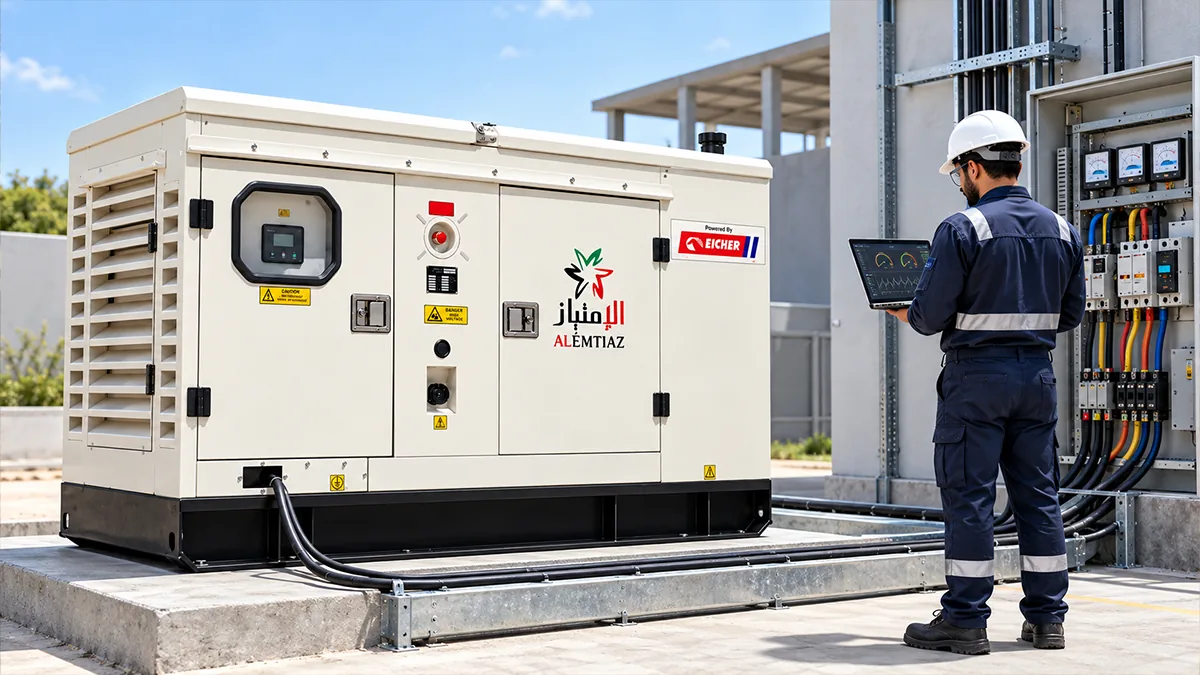
kVA measures the apparent power a generator can deliver, while kW measures the real power that actually runs your equipment. The link between them is the power factor, and most diesel generators are rated at 0.8, so a 100 kVA generator delivers about 80 kW of real power. Size your loads in kW, then convert to kVA.
What do kVA and kW actually mean?
kVA expresses the apparent power a generator can supply, while kW expresses the real power that is converted into useful work by your equipment. The gap between the two is the power factor.
Apparent power determines the current flowing through the alternator windings and the cables, which is why manufacturers state generator capacity in kVA. Real power is what drives an air conditioner’s compressor or heats water in a heater; it is the power the engine carries and burns fuel to produce. Anyone choosing a generator therefore needs to read both figures, not just one.
What is power factor, and why is it 0.8 for generators?
Power factor is the ratio of real power to apparent power, and most three phase diesel generators are rated at 0.8 because it represents a typical mixed load. Purely resistive loads such as heaters have a power factor close to 1, while motors, compressors and transformers draw reactive power that pulls the figure down.
In practice, a 100 kVA generator delivers about 80 kW of real power. If the actual load has a power factor below 0.8, the generator reaches its current limit before the engine reaches full output, which is why understanding the nature of your loads matters when selecting a generator.
How do you convert between kVA, kW and amps?
Two simple formulas do the job: power in kW equals power in kVA multiplied by the power factor, and current in a three phase system equals kVA multiplied by 1000, divided by the voltage multiplied by 1.732. The table below assumes a power factor of 0.8 and 415 volts, the standard three phase voltage in Kuwait at 50 hertz.
| Apparent power (kVA) | Real power (kW) | Current per phase at 415 V (A) |
|---|---|---|
| 20 | 16 | 28 |
| 50 | 40 | 70 |
| 100 | 80 | 139 |
| 250 | 200 | 348 |
| 500 | 400 | 696 |
| 1000 | 800 | 1391 |
The table is just as useful for sizing cables, circuit breakers and distribution boards as it is for choosing the generator itself.
What is the difference between standby, prime and continuous ratings?
The figure printed on a generator changes with the type of rating, so the same unit can carry two different numbers. The international standard ISO 8528 defines three main ratings:
- Standby: the highest figure, intended for use during mains failures for a limited number of hours a year, with no overload allowed.
- Prime: for unlimited running hours at a variable load, usually with a 10 percent overload allowed for one hour in every 12.
- Continuous: for constant load without interruption, and lower than the prime rating.
The standby rating is typically about 10 percent higher than the prime rating. On project sites and off grid locations where the generator is the only power source, always work from the prime rating, not the standby figure.
Why is the engine rating different from the generator rating?
Because the engine is rated by the mechanical power at its shaft in kWm, while the generator set is rated by the electrical power it delivers in kWe. Between the two sit alternator losses and the cooling fan, so the engine figure is always higher than the electrical output available to your loads.
Published ratings are also based on reference conditions of temperature, altitude and humidity. In the heat of a Kuwaiti summer, real output falls according to the derating tables each engine manufacturer publishes, whether the engine is from Perkins, Cummins, Caterpillar or another maker.
What are the common mistakes when reading generator specifications?
The most common mistake is comparing two generators using figures from different ratings. Several others come up regularly:
- Treating the kVA figure as if it were kW, which overstates real power by 25 percent.
- Ignoring the starting current of large motors; we explain how to allow for it in our guide to sizing a generator for your home.
- Relying on the standby rating to power a site with no mains supply.
- Overlooking the effect of high temperatures on available output in summer.
When buying a used generator, checking the original rating plate, the rating type and the running hours matters even more. Used generators from Alemtiaz come with low running hours, regular servicing and warranty on all parts.
If you have a generator specification and want to confirm it suits your loads, send it to us and we will review it with you and recommend the right capacity. Request a quote from our generators for sale page.
Frequently asked questions
About 80 kW at the standard power factor of 0.8. The usable figure can be lower in high temperatures or with loads that have a low power factor.
It is the unit of reactive power that motors and transformers need to build their magnetic fields. It does no useful work, but it adds to the current flowing through the generator and cables.
Divide the power in VA by the voltage. A 10 kVA single phase generator at 240 volts delivers about 42 amps.
In normal service a generator is best run between 50 and 80 percent of its prime rating, which gives good fuel efficiency and leaves headroom for starting current and high ambient temperature.
Fast reply
Get a quote within an hour
Tell us what you need and we will reply with a clear quote during working hours.
- A reply within an hour during working hours, Saturday to Thursday
- A clear quote that covers delivery, installation and commissioning
- Our technical team helps you choose the right capacity